
01
Description
The surgeon removes excess skin and fat between the navel and the pubis, repairs the separated abdominal muscles (diastasis), and repositions the navel. The scar is low, hidden within underwear.
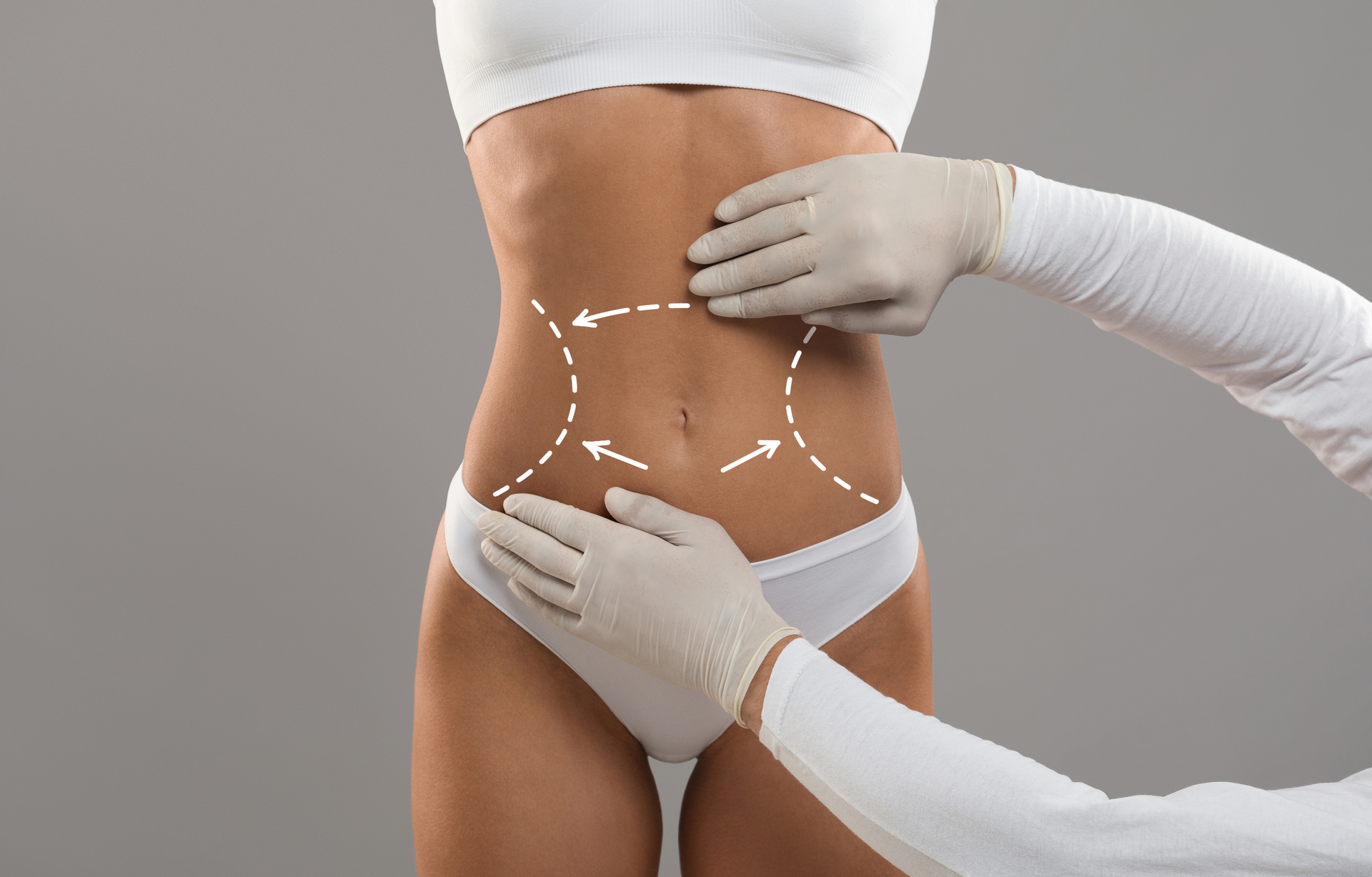
Abdominoplasty reshapes the abdomen by removing excess skin and fat and repairing diastasis of the rectus muscles. Ideal after pregnancy or significant weight loss.
The surgeon removes excess skin and fat between the navel and the pubis, repairs the separated abdominal muscles (diastasis), and repositions the navel. The scar is low, hidden within underwear.
Full abdominoplasty treats the entire abdomen. Mini-abdominoplasty is reserved for localized excess below the navel. The version combined with liposuction optimizes the overall contour.
A flat, firm abdomen with a redefined silhouette. Results are long-lasting provided weight remains stable. Pregnancy after abdominoplasty is possible but may affect the result.
Questions fréquentes
Yes, pregnancy is possible but may affect the result. Ideally, abdominoplasty is performed after your last planned pregnancy. If a pregnancy occurs, the result can be revised later.
The scar is placed very low, within the underwear line. A standard swimsuit or bikini fully hides it. It fades considerably within 12-18 months.
Abdominoplasty is not a weight-loss procedure. It removes excess local skin and fat (1-3 kg on average) and improves the silhouette, but it does not replace a diet.
Diastasis (separated abdominal muscles) creates a bulging abdomen even in slim patients. Repairing it during abdominoplasty restores the abdominal wall and flattens the abdomen long-term.
Pain is moderate and well controlled with pain medication for 7-10 days. A feeling of abdominal tightness persists for 2-3 weeks before gradually easing.
It may be partially covered if the abdominal apron extends past the pubis (grade 3-4 ptosis) or after bariatric surgery. A file is submitted to health insurance for review.