
01
Description
Hormonal work-up and breast ultrasound are performed to rule out a medical cause (tumor, medication). Surgery is offered after weight stabilization and discontinuation of contributing factors.
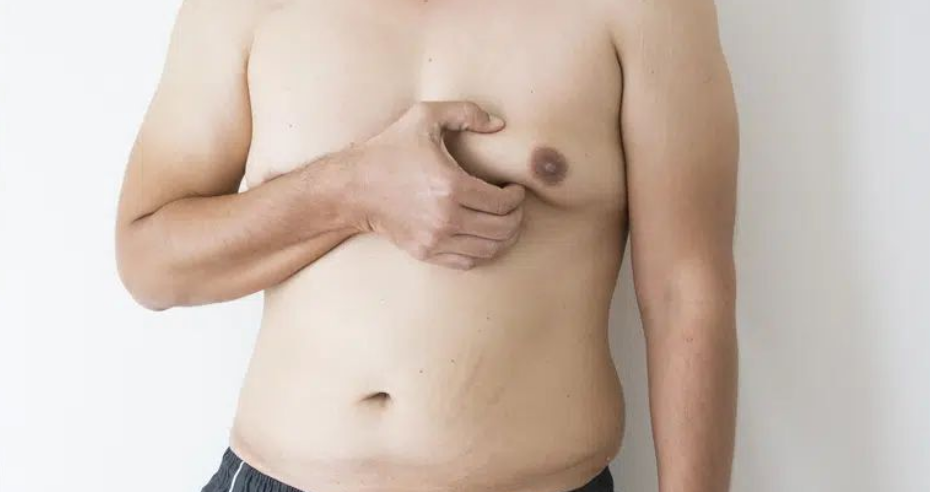
Gynecomastia is the excessive development of breast tissue in men. Surgery combines liposuction and glandular excision to restore a flat, masculine chest.
Hormonal work-up and breast ultrasound are performed to rule out a medical cause (tumor, medication). Surgery is offered after weight stabilization and discontinuation of contributing factors.
Liposuction removes excess fat. Glandular tissue excision is performed through a small lower peri-areolar incision. The two techniques are often combined for an optimal result.
A flat, masculine, well-defined chest. The psychological impact is often significant, as gynecomastia can be a source of major self-consciousness and affect social and intimate quality of life.
Questions fréquentes
No, true gynecomastia (glandular tissue) does not disappear with sport or diet. Only surgery can remove the excess glandular tissue.
The scar is very discreet, placed on the lower edge of the areola where it blends into the junction between skin and areola. It becomes nearly invisible.
Recurrence is rare if the glandular excision is complete. It can occur with certain medications, steroids, or significant weight gain.
True gynecomastia (confirmed by ultrasound) may be partially covered by health insurance with prior approval if it causes functional discomfort.
Upper body exercises gradually resume after 4-6 weeks. Wearing a compression vest during sport is recommended for 6-8 weeks.