
01
Description
An aesthetic and/or functional procedure on the nose, tailored to the patient's anatomy, skin, and expectations. It can address the dorsal hump, tip, width, deviation, and certain associated breathing issues.
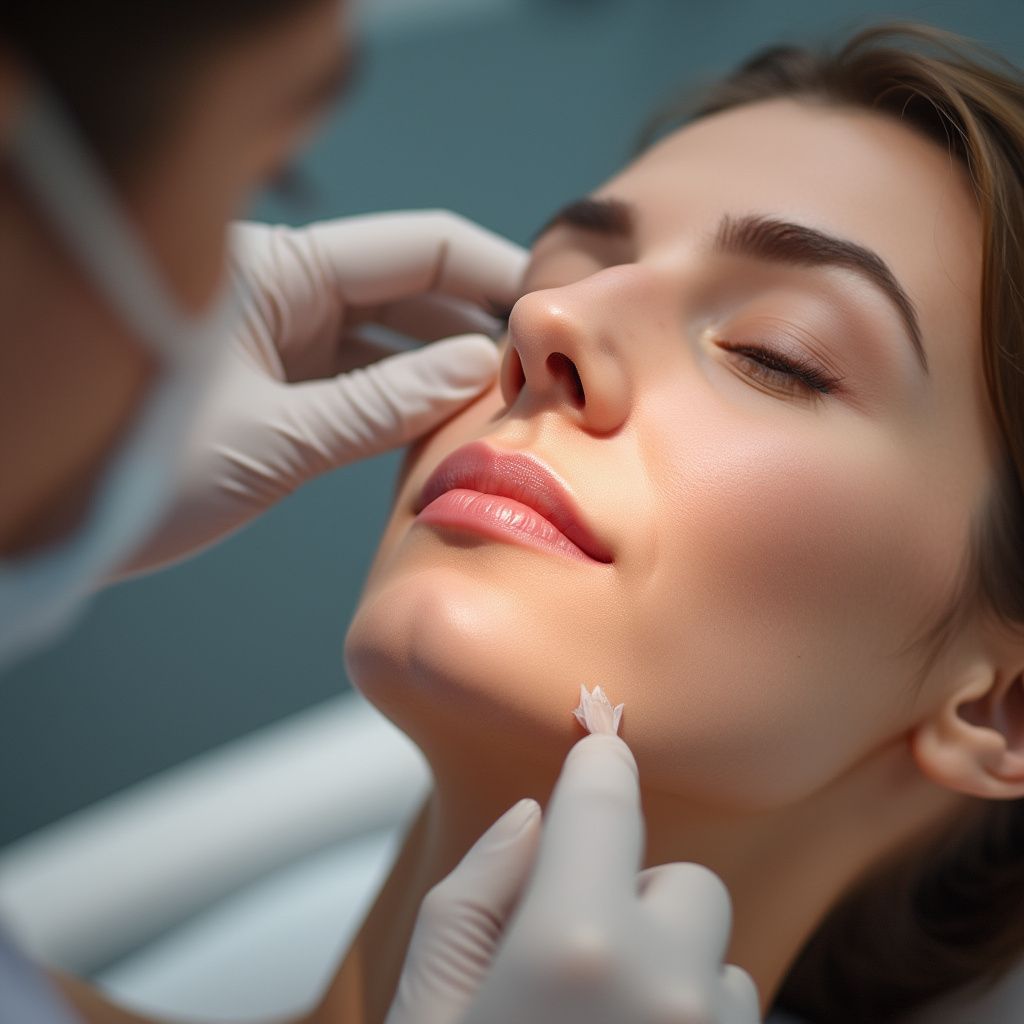
Rhinoplasty corrects the shape of the nose (dorsal hump, tip, asymmetry) while preserving breathing function when needed. The goal is a harmonious, natural result suited to your face.
An aesthetic and/or functional procedure on the nose, tailored to the patient's anatomy, skin, and expectations. It can address the dorsal hump, tip, width, deviation, and certain associated breathing issues.
Rhinoplasty is performed in the operating theatre under general anesthesia, using a closed or open approach depending on the case. The surgeon reshapes the bone and cartilage structures, then applies a splint for about 7 days.
Swelling and bruising are common during the first week. Return to social activities is often possible after splint removal (day 7-10). The result continues to refine gradually over several months.
Questions fréquentes
Generally from age 17-18, once nasal growth is complete.
The technique aims to preserve, or even improve, breathing if a functional procedure is combined.
Walking is possible quickly, but intense sport should be avoided for 4 to 6 weeks.
An initial result is visible after splint removal, but the final outcome is assessed between 6 and 12 months.
In most cases, the scars are internal or very discreet depending on the approach used.
Yes, secondary (revision) rhinoplasty is possible after a specialized assessment.